
Dust Suppression Technique
AusPowerCell Smart, Automated Dust Control for Underground Mining
Overview
Dust and post-blast fumes don’t just reduce visibility — they slow production, impact equipment life, and increase health and compliance risk. Effective dust suppression is a core part of safer, more efficient mining operations, especially as operators look to optimize water use and site productivity.
AusPowerCell delivers intelligent dust suppression solutions designed for underground conditions — modular systems that integrate into existing water infrastructure and activate through remote control or sensor-driven automation, helping limit dust spread throughout the mine.
Our Dust Suppression Product Range .

Remote Spray Actuator
(Remote-Controlled Sprays)
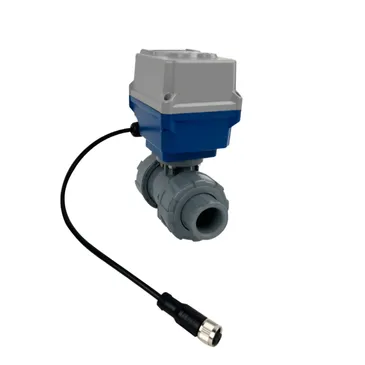
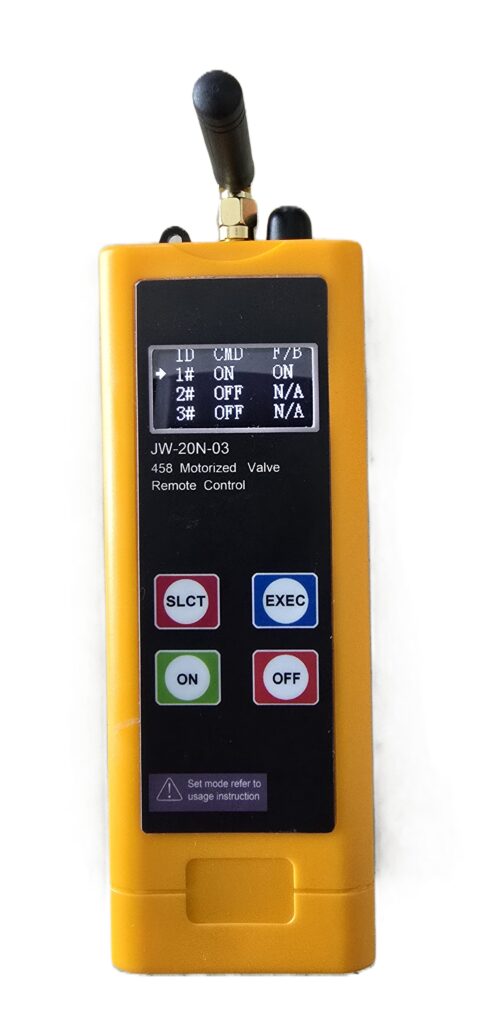
A safe, cost-effective way to control dust sprays remotely. Ideal for zones where operators need reliable activation without manual valve handling — including setups where up to three valves can be controlled by ID selection.
DustGard Pro
(Sensor-Driven Dust Control)
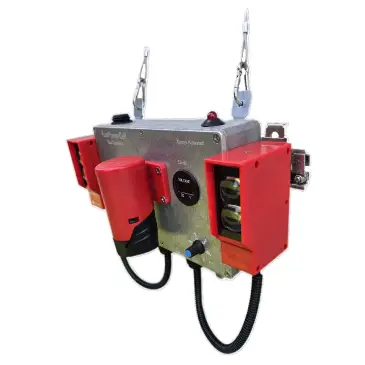
A rugged, modular dust control system engineered for mining environments where dust creates safety and operational risk — built for reliability, easy deployment, and automated control.
AutoMist
(Blast-Triggered Dust Suppression)
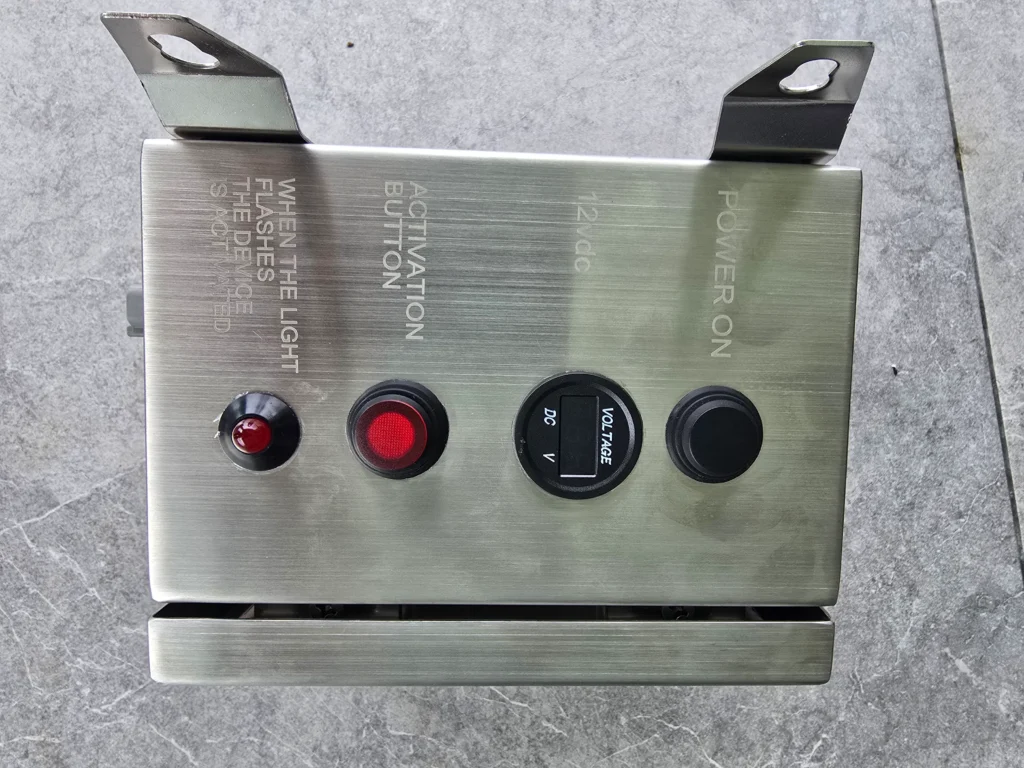
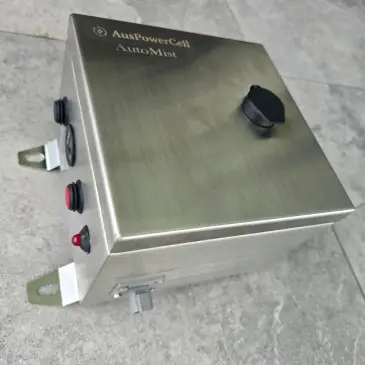
A vibration-sensor based system designed for blasting environments. Installed back from the stope/heading, it detects the shockwave and activates roof sprays for fine mist suppression after parameters are met, using timer-based activation and fail-safe valve logic.
Spiral Nozzle
(Precision Misting & Coverage)
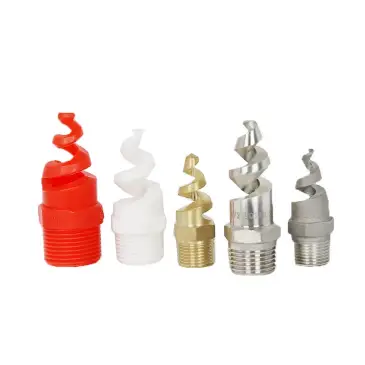
High-efficiency spiral spray nozzles for dust suppression and industrial spray applications. Available in multiple materials and spray phollow cone), with wide spray angles and high flow flexibility depending on pressure and sizing.
How the AusPowerCell Dust Suppression Process Works
Identify the dust event
- Post-blast dust/fumes, re-entry delays, drive contamination
Choose activation method
- Remote activation (operator-controlled)
- Sensor-triggered activation (automation)
Design spray coverage
- Correct nozzle selection + spray angle + flow rate to match coverage needs
Deploy and integrate
- Install into existing water services with rugged mining-grade connectors and control logic (relay/timer where applicable) Optimize for performance
- Set spray duration, validate trigger conditions, and confirm stable water/pressure outcomes
Key Benefits for Mining Operations
- Superior dust reduction: Fine misting helps capture airborne particulates closer to the source before spread
- **Improved safety & compliance postue risk and supports stronger site controls
- Faster re-entry after firing: Limits dust migration and supports earlier ore movement (application-dependent)
- Operational efficiency: Remote or automated activation reduces manual intervention and delays
- Water-smart approach: Better spray targeting and nozzle selection supports more efficient usage vs uncontrolled spraying
- Mining-grade reliability: gic available in sensor-driven deployments
Where These Systems Are Commonly Used
- Stopes and headings (post-blast dust/fume control)
- Drives and re-entry pathways
- Work zones requiring rapid dust knockdown
- Areas where manual valve handling is unsafe or inefficient
Why AusPowerCell
AusPowerCell builds products specifically for underground mining environments, focusing on:
- Automaol
- Practical deployment (modular, scalable)
- Integration with existing infrastructure
- Dependable field reliability
Contact AusPowerCell
Need bulk supply or a site-specific dust suppression setup?
Tell us your use-case (stope/heading, work zone, number of spray points, water pressure availability), and we’ll recommend the right combination of activation method + nozzle coverage.
Phone: 0437 233 612
Email: admin@auspowercell.com
Website: auspowercell.com
Our Blog
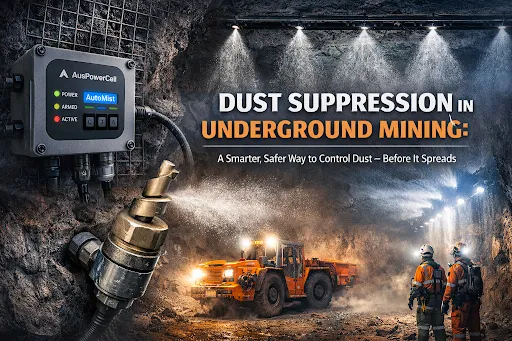
Dust is one of those “always there” challenges in underground mining—until it isn’t controlled, and suddenly it becomes the problem. Visibility drops, re-entry slows, ventilation carries particulates further than expected, equipment gets coated, and worker exposure risk rises. The real issue isn’t just dust itself—it’s how fast it can move and how quickly it can disrupt operations.
That’s why modern dust suppression isn’t only about spraying water. It’s about deploying the right spray coverage, activating it at the right time, and automating it where possible so control is consistent—even during high-risk events like firing stopes or headings.