

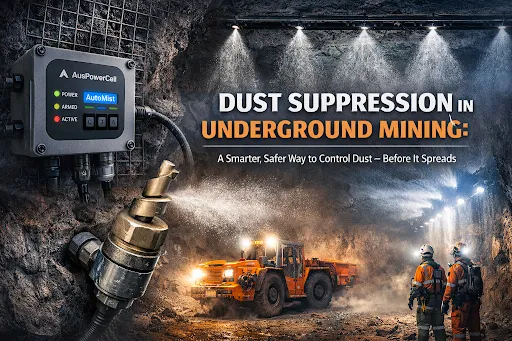
Dust is one of those “always there” challenges in underground mining—until it isn’t controlled, and suddenly it becomes the problem. Visibility drops, re-entry slows, ventilation carries particulates further than expected, equipment gets coated, and worker exposure risk rises. The real issue isn’t just dust itself—it’s how fast it can move and how quickly it can disrupt operations.
That’s why modern dust suppression isn’t only about spraying water. It’s about deploying the right spray coverage, activating it at the right time, and automating it where possible so control is consistent—even during high-risk events like firing stopes or headings.
At AusPowerCell, our approach to dust suppression combines reliable hardware, smart automation, and precision misting—so mines can respond faster, reduce dust spread, and keep work moving.
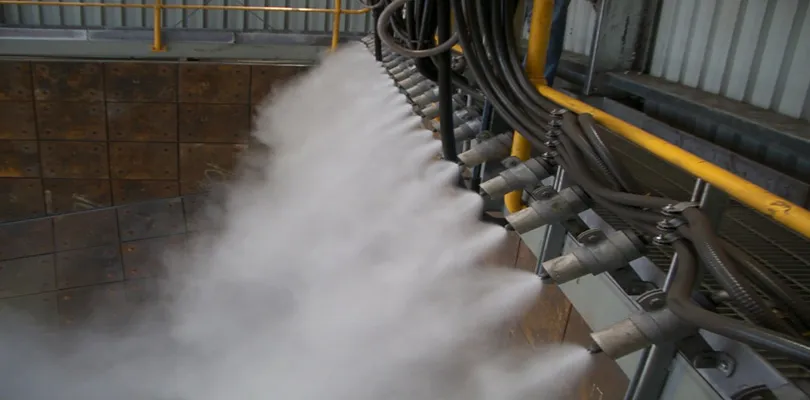
Why Dust Suppression Needs More Than “Just Water”
A lot of sites already have water services and sprays. Yet dust still travels. Common reasons include:
- Sprays aren’t activated at the right moment (especially after blasts)
- Coverage is uneven due to nozzle selection or placement
- Manual activation delays response
- Over-spraying wastes water, while under-spraying fails to knock down particulates
- Harsh conditions cause components to fail unless they’re built for mining
The most effective systems do three things well:
- Trigger at the right time (manual or sensor-driven)
- Deliver fine mist coverage (correct nozzle and placement)
- Stay reliable underground (rugged, fail-safe design)
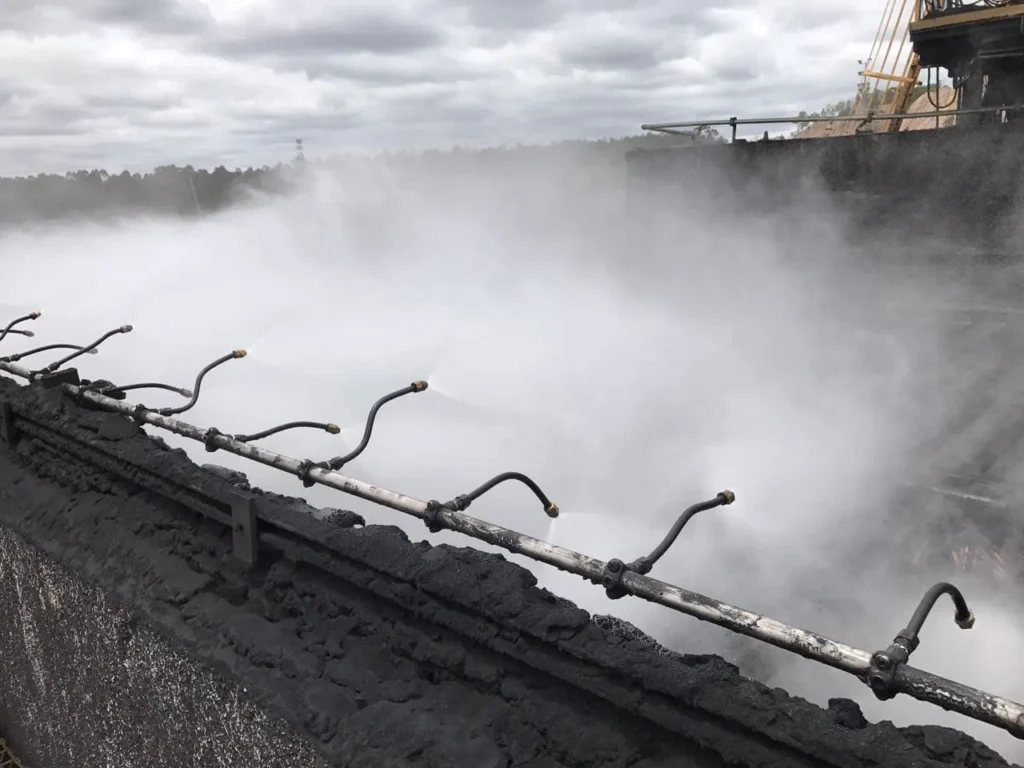
The AusPowerCell Dust Suppression Technique
A Practical System That Mines Can Deploy and Scale
AusPowerCell dust suppression is built around a simple philosophy:
Give operators control where they need it, and automation where it matters most.
That’s why our dust suppression “toolkit” includes multiple products that work together depending on the area, event type, and operational priority.
1) Manual Control Where It’s Needed: Remote Spray Actuator
In many underground zones, crews need dust sprays ready on-demand—without walking back to valves, without stopping work, and without exposing personnel to unnecessary hazards.
The AusPowerCell Remote Spray Actuator enables operators to activate sprays remotely and manage dust suppression efficiently across working areas. This is especially useful in active zones where dust is continuous and timing matters.
Where it fits best:
- Ongoing dust control in working drives
- Operational areas where stopping to activate water is inefficient
- Zones requiring consistent spray control without manual valve handling
Why it works:
- Faster response than manual valve control
- More consistent suppression during real work conditions
- Better operational flow (less interruption)
2) Automation Where Timing Is Everything: AutoMist (Blast-Triggered)
Blasting changes everything. After a stope or heading is fired, dust and fumes can surge and move quickly through the drive. The challenge isn’t whether to suppress dust—it’s how to suppress it immediately, even when crews are not in a position to manually trigger systems.
AutoMist is designed for exactly this scenario.
Placed back from the firing zone, AutoMist detects the blast shockwave through vibration sensing. When set parameters are met, it triggers a timed relay that activates a water valve—turning on roof-mounted sprays to deliver fine mist downward and suppress dust before it migrates.
Where it fits best:
- Stopes and headings after firing
- Any environment where post-blast dust and fumes move rapidly
- Situations where automated activation prevents delays
Why it works:
- Removes reliance on “someone remembering to activate sprays”
- Delivers suppression at the moment it matters most
- Supports faster stabilization and operational recovery
3) Modular Zone Control: DustGard Pro
Not every dust problem is a one-off event. Many mines need repeatable suppression zones that can be deployed where water services exist and dust risk is ongoing or recurring.
DustGard Pro is built as a modular, sensor-driven dust control system for mining—engineered for reliability, simple deployment, and automated control where required.
Where it fits best:
- Multi-zone dust control where water services are available
- Areas needing consistent, automated suppression logic
- Sites wanting scalable systems that can expand across operations
Why it works:
- Modular design makes it practical to scale
- Supports structured dust control strategy across zones
- Built for underground reliability and deployment
4) The “Make or Break” of Dust Control: Nozzle Choice (Spiral Nozzle)
Even the best activation system won’t perform if spray coverage is poor.
The nozzle is where dust suppression becomes real.
The AusPowerCell Spiral Nozzle is designed for efficient misting coverage and is ideal for dust suppression applications where spray pattern, angle, and flow rate must match the environment.
With options for full cone or hollow cone patterns (depending on use case), spiral nozzles help mines achieve fine mist distribution that captures particulates effectively—without wasting water through uncontrolled flow.
Where it fits best:
- Roof sprays and misting systems
- Suppression zones where coverage must be maximized
- Applications requiring optimized spray pattern and angle
Why it works:
- Better spray consistency
- More predictable coverage
- Strong fit for industrial and mining misting needs
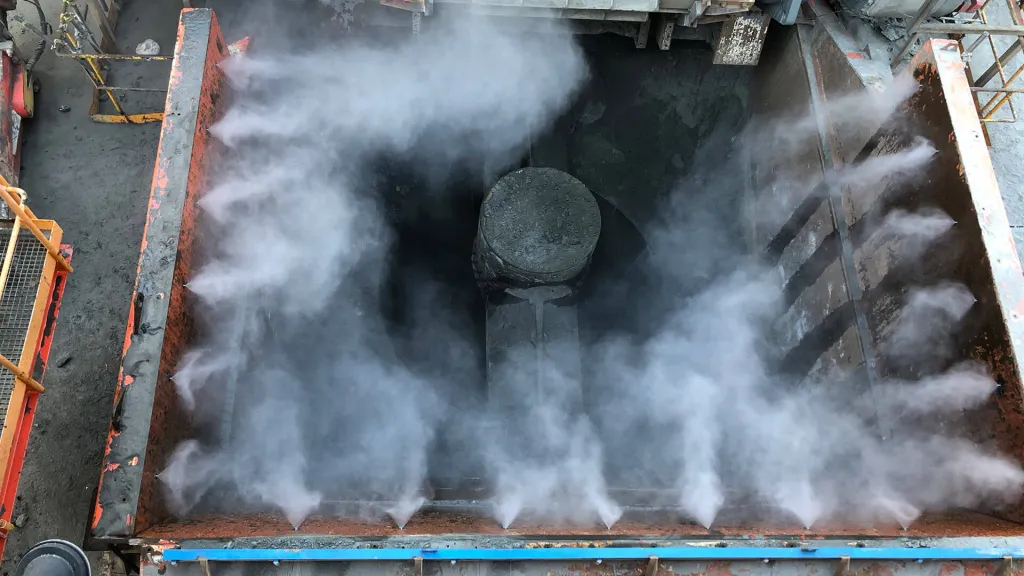
Putting It All Together: A Simple Deployment Strategy
A good dust suppression plan doesn’t have to be complicated. A practical approach looks like this:
Step 1 — Identify the dust event type
- Post-blast dust/fume surge? → AutoMist
- Continuous operational dust? → Remote Spray Actuator
- Multiple recurring zones needing structure? → DustGard Pro
- Coverage optimization needed? → Spiral Nozzle integration
Step 2 — Design coverage first, then automation
Automation is powerful—but only if spray placement and nozzle choice match the reality underground.
Step 3 — Reduce delays and remove human dependency
The goal is fewer manual steps and faster response.
Step 4 — Improve reliability with mining-grade design and fail-safe logic
In underground conditions, systems need to work consistently—especially when access is limited.
Key Outcomes Mines Typically Look For
While each site is different, dust suppression improvements usually focus on these outcomes:
- Reduced dust migration through drives and re-entry pathways
- Improved visibility and safer working conditions
- More consistent suppression timing (especially post-blast)
- Operational continuity—less stoppage, fewer delays
- Water-smart control by targeting sprays more effectively
Why AusPowerCell
AusPowerCell isn’t trying to be everything to everyone. We focus on building smart, practical systems for underground mining—where dust control needs to be fast, reliable, and scalable.
Our dust suppression technique is a combination of:
- Control (Remote Spray Actuator / Smart Water Dust Suppression)
- Automation (AutoMist / DustGard Pro)
- Coverage precision (Spiral Nozzle systems)
That combination is what turns dust suppression from a “manual task” into a repeatable operational advantage.
Want a Site-Specific Recommendation?
If your site wants a dust suppression setup that fits your blasting pattern, drive layout, and water services, we can recommend the best configuration—whether it’s automation, remote activation, or full zone deployment.
Contact AusPowerCell
Phone: 0437 233 612
Email: admin@auspowercell.com
Website: auspowercell.com